James Hardie New Detached ADU: The Fort Worth Owner’s Guide
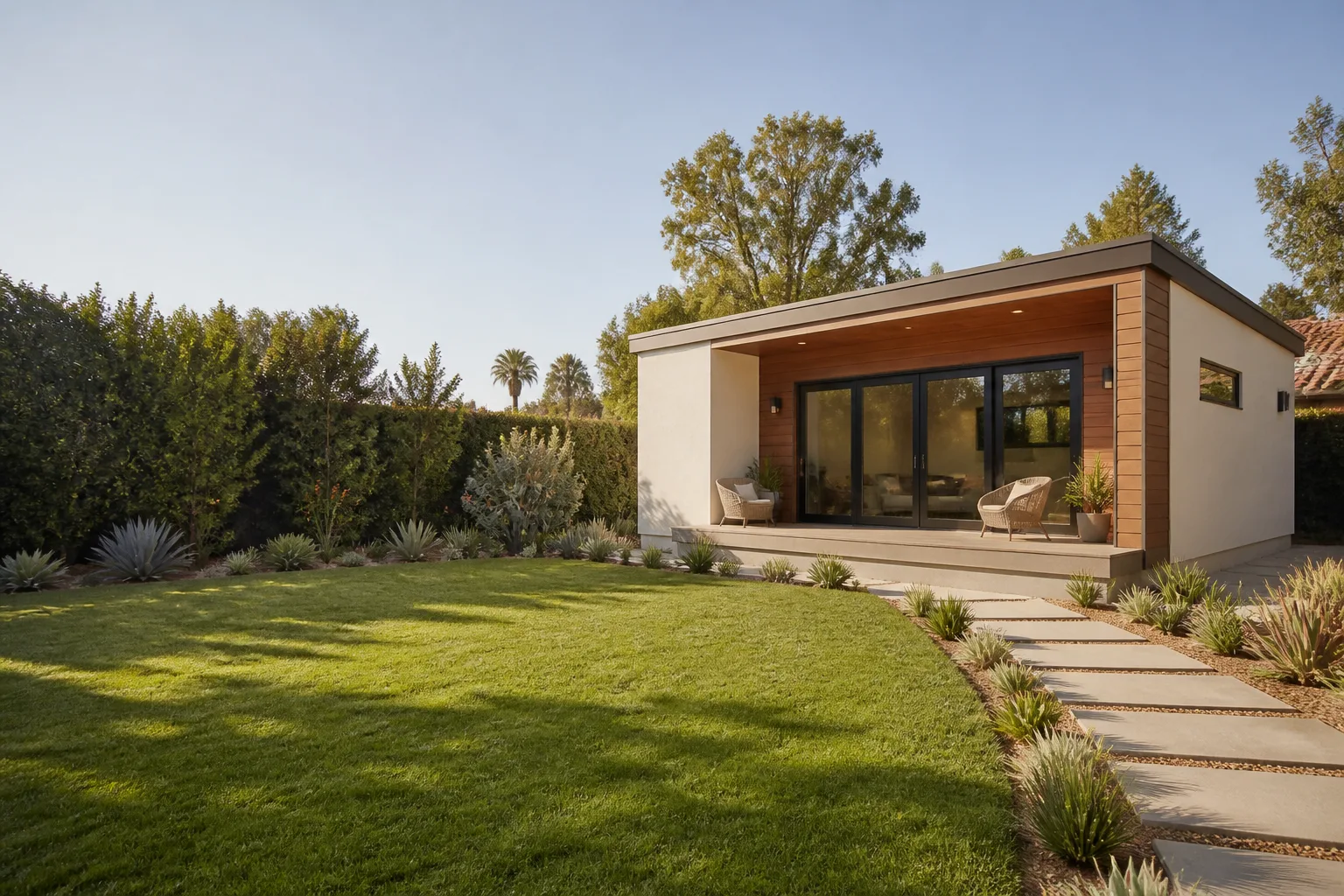
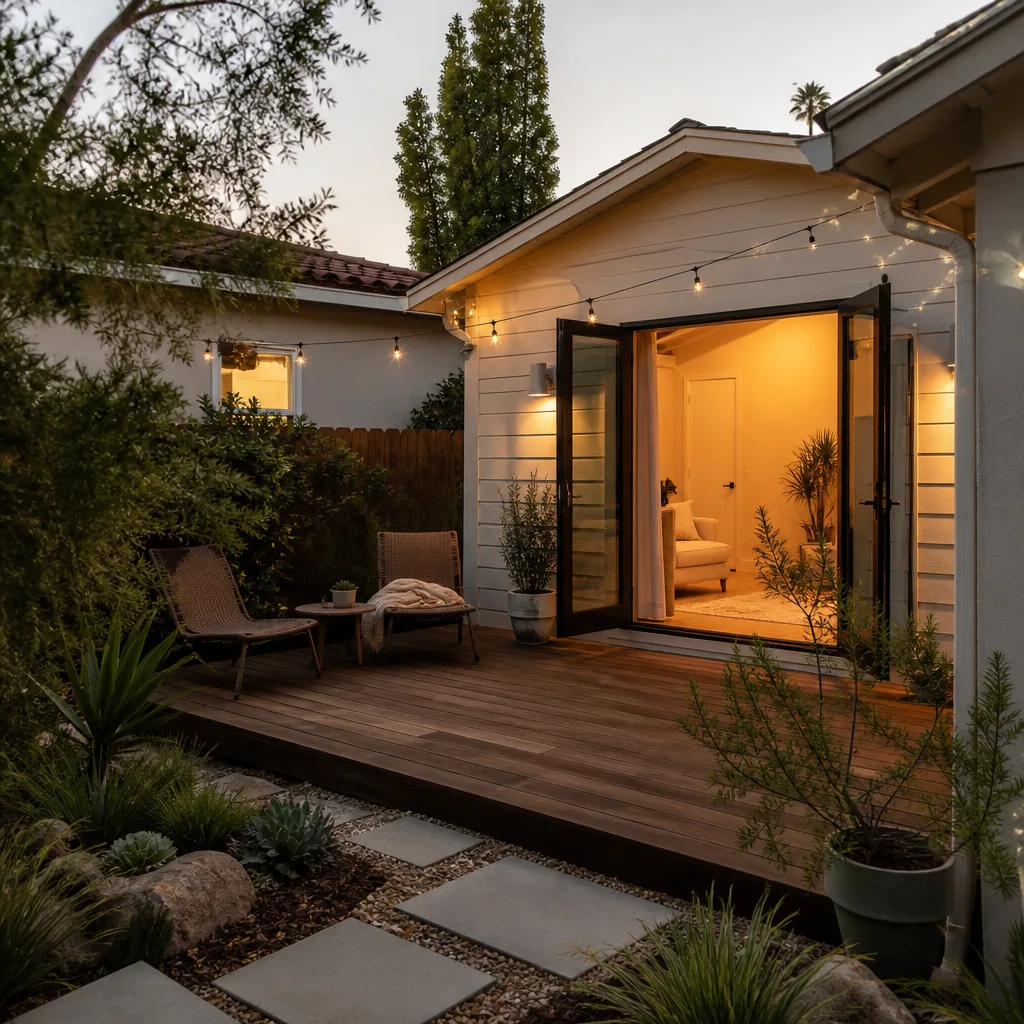
Building a new detached ADU with James Hardie siding and trim in Fort Worth typically runs $180 to $340 per square foot all-in, with most backyard units landing between $190,000 and $310,000 depending on size, foundation work, and utility runs. We stock the full James Hardie cladding lineup at Benson ADU Fort Worth, and we quote every project in writing before the first panel arrives. Most homeowners call us after realizing their existing Hardie siding or trim has failed, or when they’re planning a new build and want the cladding spec’d correctly from day one.
Here’s the scenario we see most: someone has a James Hardie product on a detached structure, something fails, and they need to know whether to patch it or replace the whole assembly. Or they’re starting fresh and want to know exactly which Hardie products hold up under North Texas heat, hail, and the freeze-thaw cycles we get every January and February. Either way, you’ll find the straight answer below.
Which James Hardie Models This Applies To
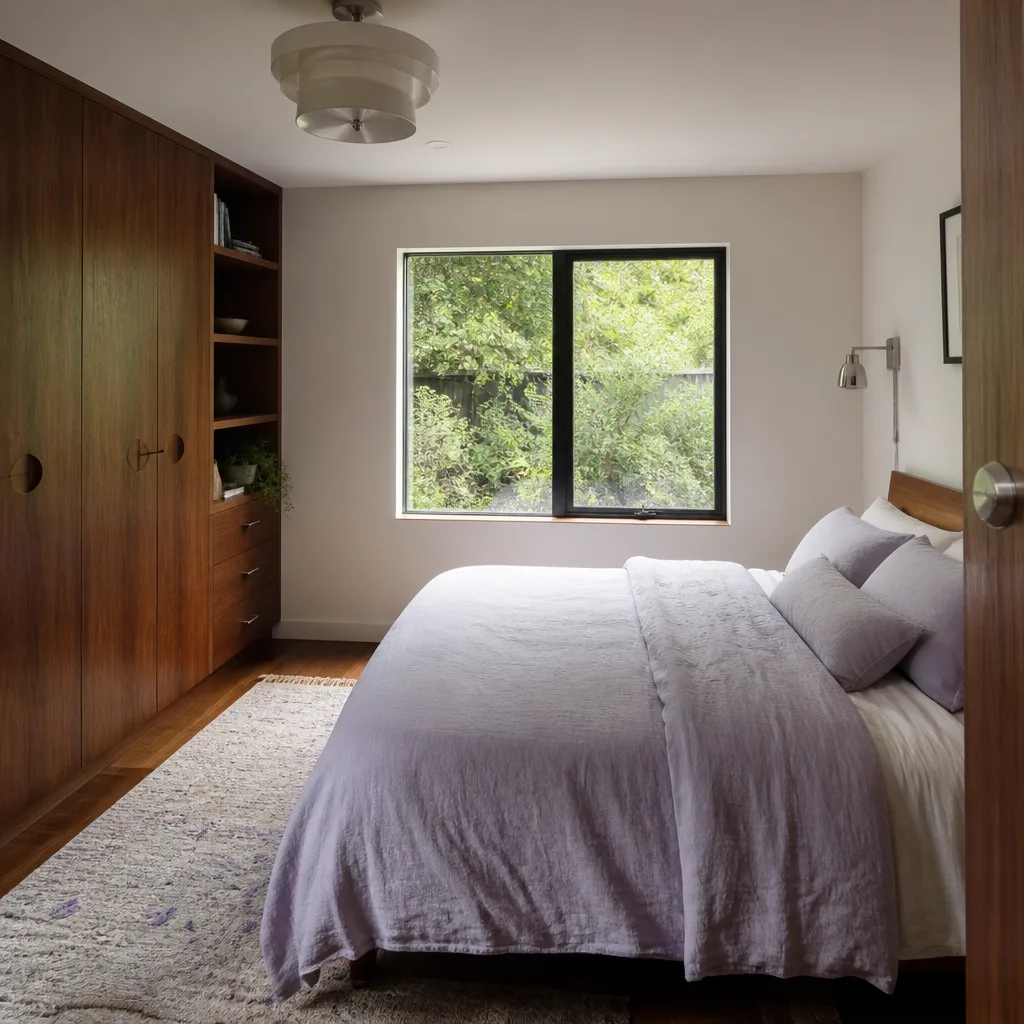
James Hardie makes three cladding lines that matter for Fort Worth detached ADUs: HardiePlank lap siding, HardiePanel vertical siding, and HardieTrim boards. Each has different installation specs, and mixing them up is the most common compatibility mistake we fix. HardiePlank comes in 5/16-inch and 7/16-inch thicknesses, with the thicker profile required for certain stud spacing and wind zones. HardiePanel is a 4×8, 4×9, or 4×10 sheet product that needs a rainscreen gap behind it in our climate. HardieTrim boards come in 4/4 and 5/4 thicknesses, and the 5/4 is what you want at corners and around windows if you’re planning to live with the structure for more than a decade.
For aftermarket versus OEM: James Hardie doesn’t license third-party manufacturing, so “aftermarket” in this category really means using a competitor’s fiber cement product where Hardie is spec’d. We’ve seen homeowners mix Allura or CertainTeed panels into a Hardie wall assembly to save a few dollars, and the color match and expansion rates are different enough to cause visible seams within two seasons. We’ll tell you when a substitute makes sense, and when it doesn’t, before you spend a dollar.
Signs Your James Hardie New Detached ADU Is Failing
- Bubbling paint or peeling finish along the bottom edge. This means water is wicking up from grade or a sprinkler head is hitting the siding. Hardie can handle moisture, but standing water against the cut edge will fail the factory finish within three to five years.
- Cracks radiating from fastener points. Fiber cement is brittle. If the installer nailed too close to the edge or drove fasteners too deep, the board cracks at that point. Fort Worth’s clay soil shifts, and a slab-on-grade ADU moves with it, which transfers stress straight to the siding.
- Gaps opening at trim joints. HardieTrim expands and contracts with temperature swings. North Texas goes from 105 degrees in August to 15 degrees in February. If the installer butt-jointed the trim instead of leaving the specified gap, those joints open up and let water behind the envelope.
- Mold or staining in the lower third of the wall. This is usually a flashed-improperly condition at the foundation or a missing weep channel. Hardie itself won’t rot, but the OSB or plywood behind it will, and by the time you see the stain on the outside, the sheathing is already compromised.
- Bowing or warping in HardiePanel sheets. Panels need blocking at every vertical seam and a rainscreen gap in our humidity cycle. Without both, the panels cup outward, and no amount of caulk will flatten them back.
Replacement Cost & What’s Included
For siding and trim replacement on an existing Fort Worth detached ADU, expect to pay $12 to $22 per square foot for tear-off, new Hardie materials, flashing repair, and finish paint. A full reclad of a 400-square-foot unit runs roughly $7,000 to $14,000 depending on how much trim is involved and whether the sheathing behind the siding needs patching. If you’re building new, Hardie cladding adds $9 to $14 per square foot to the structure, which folds into the total ADU price range above.
Every quote from Benson ADU Fort Worth includes the parts, labor, permit coordination where required, and disposal in writing. No change orders unless you ask for a change. The 365-Day Done Right Promise covers the installation for a full year, and if any covered repair fails, the second visit is free. Troy Eastman signs off on every job, and he’ll walk the wall with you before we call it done.
DIY or Call Us?
You can safely inspect for the symptoms above: grab a flashlight, check the bottom edges for moisture staining, look at trim joints, and note any cracks. But fiber cement siding and trim is not a weekend repair. Cutting Hardie requires specialized blades and produces silica dust that’s genuinely hazardous without proper respirator equipment. Getting the flashing detail wrong means water damage you won’t see until it’s structural. And the factory finish won’t match a patch job no matter how carefully you paint.
If you’re seeing any of the failure signs, call us at (682) 204-9686. We’ll come out, tell you what’s actually wrong, and put a fixed price in writing before you decide anything.
FAQs
Expect 30 to 50 years in North Texas if the installation is done correctly, with the factory finish holding 15 to 20 years before repainting becomes necessary. The failure point is almost never the material itself, it’s the installation details and the flashing. Call us at (682) 204-9686 and we’ll inspect your existing build to see what’s left in it.
Small, isolated cracks can sometimes be sealed, but once trim openings let water behind the wall, patching is a temporary fix that costs more in the long run. We’ll tell you honestly whether a repair buys you years or just months, and the estimate to inspect is free.
A full reclad on an existing 400-square-foot ADU takes three to five working days including tear-off, flashing, install, and finish paint. New construction cladding runs on the framing schedule, and your written quote includes a timeline before we start, not after.
We stock HardiePlank, HardiePanel, and HardieTrim for Fort Worth projects, and we source directly from James Hardie and the brands we build with, including Abodu, Cover, and Dvele, so lead time is days, not months. If it’s not in writing, it’s not a promise, it’s just a conversation, and we’ll put every product and price in your quote before work begins.
Written by Troy Eastman, Owner & Lead Builder, Benson ADU Fort Worth at Benson ADU Fort Worth, serving Fort Worth and nearby areas.