Plant Prefab Junior ADU Conversion: The Fort Worth Owner’s Guide
A junior ADU conversion for a Plant Prefab unit in Fort Worth typically runs $68,000 to $110,000 installed, depending on whether you’re converting an attached garage, carving space from the main house, or finishing a prefab shell. We stock Plant Prefab-compatible framing, MEP rough-in components, and finish materials at our Fort Worth yard, and most full conversions wrap in 8 to 12 weeks. Where most owners discover a problem is structural: a sagging corner, a water stain creeping across the ceiling, or an electrical service that won’t hold a load after the conversion is tied in.
You don’t need a full teardown to fix a failing conversion. But you do need a crew that understands Plant Prefab’s panel tolerances and how they connect to site-built additions here in North Texas.
Which Plant Prefab Models This Applies To
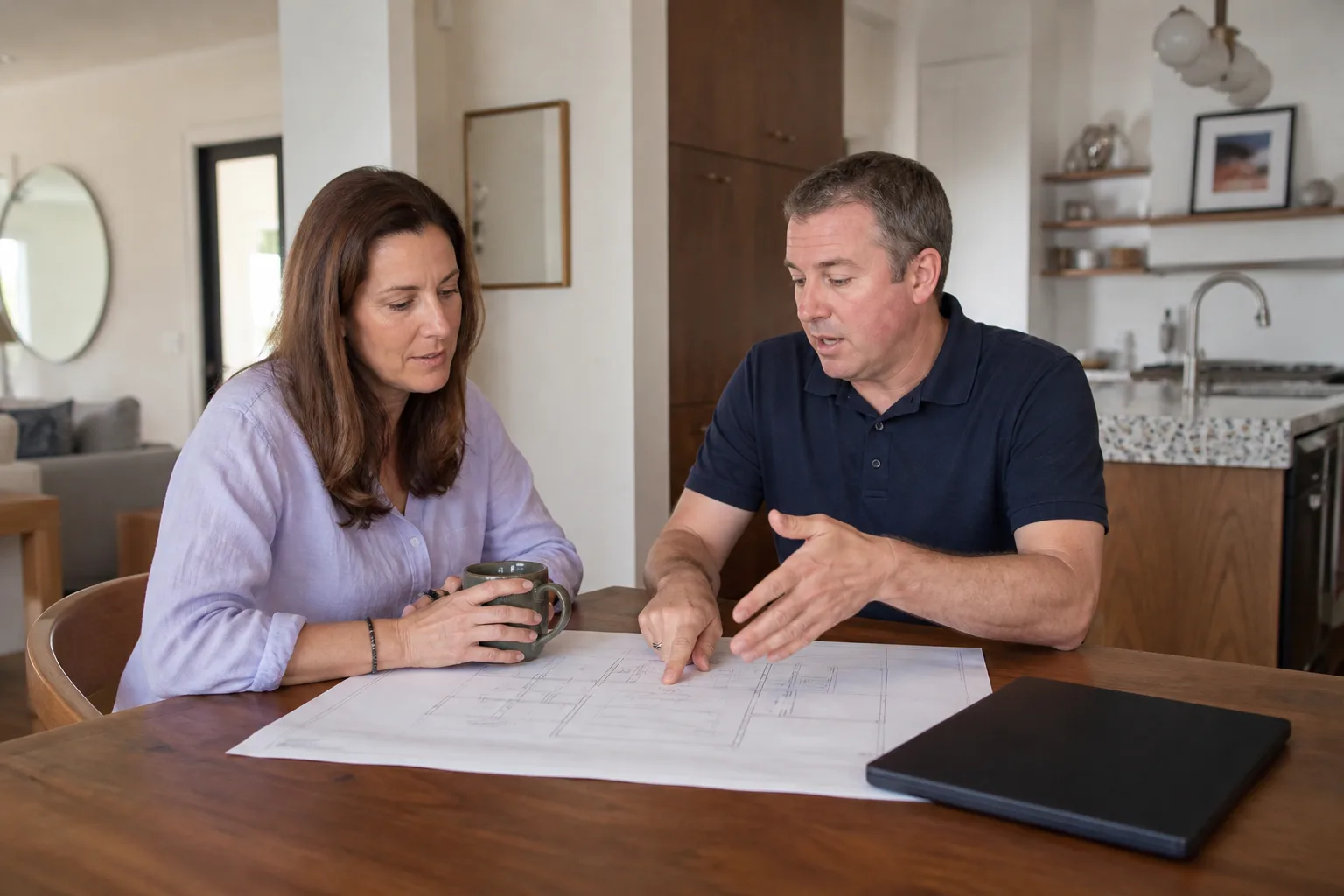
Plant Prefab builds using factory-fabricated panels and modules, and the junior ADU path typically means taking an existing single-car garage, a covered patio enclosure, or an under-used wing of the primary structure and converting it to a self-contained secondary dwelling. The conversions we handle fall into three buckets: attached garage to JADU, prefab accessory structure finish-out, and panelized addition connected to a Plant Prefab shell.
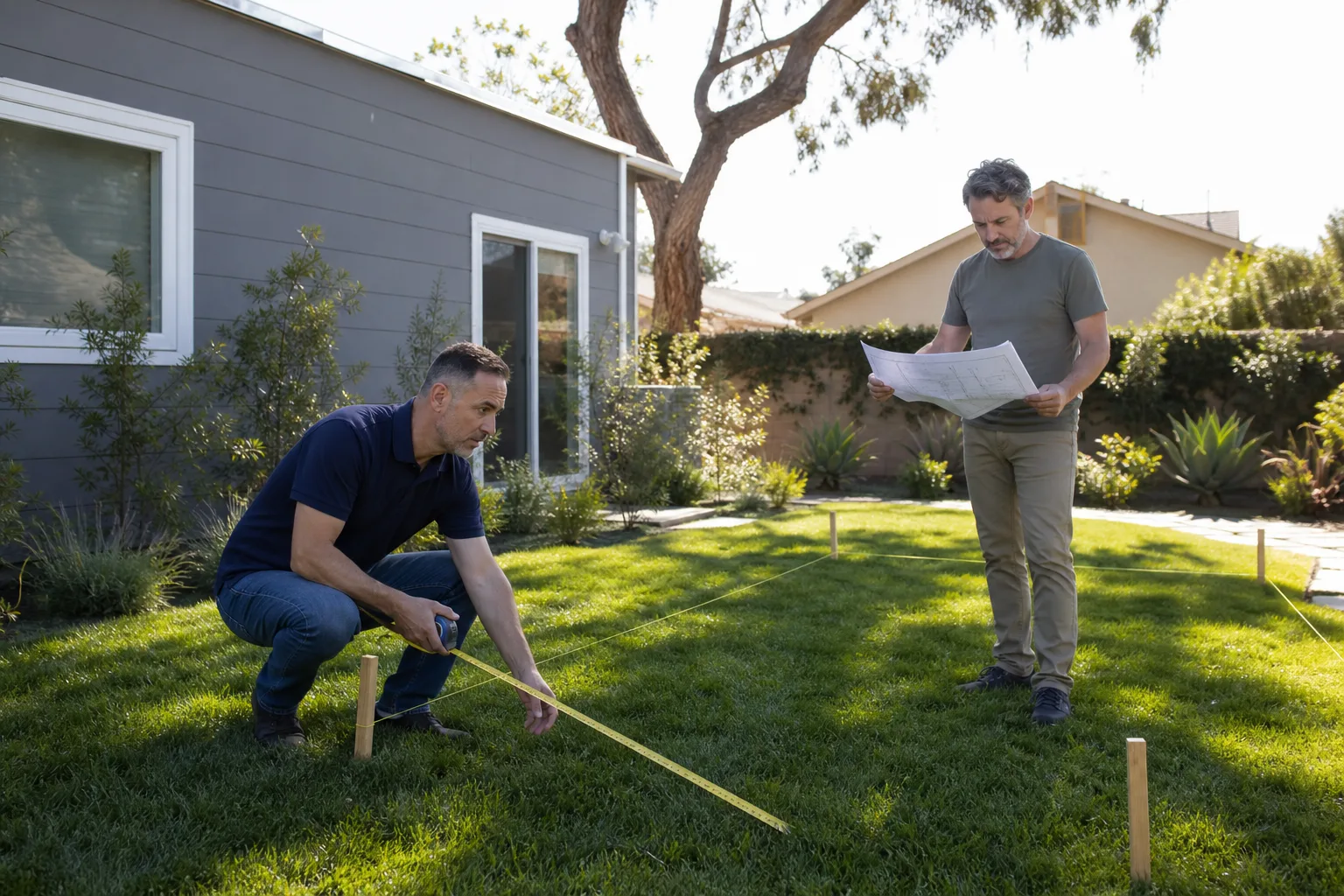
Here’s the compatibility gotcha most Fort Worth owners run into: Plant Prefab’s panel joints are engineered to far tighter tolerances than site-built framing, usually within 1/8 inch, while a conventional conversion crew builds to 1/4 inch or looser. If the connecting wall, roofline, or floor deck isn’t matched to the existing panel grid, you’ll see stress cracks where the new framing meets the prefab module. We measure every tie-in point with a laser before any lumber gets cut. That one step saves owners thousands in reframing later.
For OEM versus aftermarket: Plant Prefab uses proprietary clips, anchor plates, and panel-to-panel fasteners matched to its engineering spec. When the original hardware is intact, we always rebuild with OEM parts. Where the spec has been superseded or the part’s backordered, we use an aftermarket equivalent that meets or exceeds the original shear and tensile rating, and we show you the spec sheet before it goes on the truck. No surprises, and every substitution is in writing.
Signs Your Plant Prefab Junior ADU Conversion Is Failing
- Water staining at the tie-in seam. This is the number one failure we see in Fort Worth conversions. The seam where new framing meets the Plant Prefab panel wasn’t flashed and sealed correctly, so every rain event pushes water behind the cladding. Left alone, it rots the rim joist and the panel edge.
- Doors that stick or won’t latch seasonally. North Texas soil expands and contracts with moisture. If the conversion’s foundation was under-designed or the soils weren’t compacted, you’ll see doors bind in the summer and gap in the winter. It’s a foundation movement problem, not a door problem.
- Electrical tripping when the heat pump or window AC kicks on. A properly converted junior ADU needs its own circuit capacity sized for the additional load. If the panel was tapped off the main house without a load calculation, you’ll get tripped breakers and, in worst cases, scorched bus bars.
- Cracks radiating from windows and door corners. Prefab panels are rigid. Site-built frames flex. Where the two meet at openings, stress concentrates. Hairline cracks at the drywall corners are the first visual warning that the tie-in detail was done wrong.
- Musty odor or condensation on interior walls. Fort Worth humidity will find any missing vapor barrier. In a conversion that wasn’t properly insulated and sealed, humidity condenses inside wall cavities and breeds mold long before you see it on the surface.
Replacement Cost & What’s Included
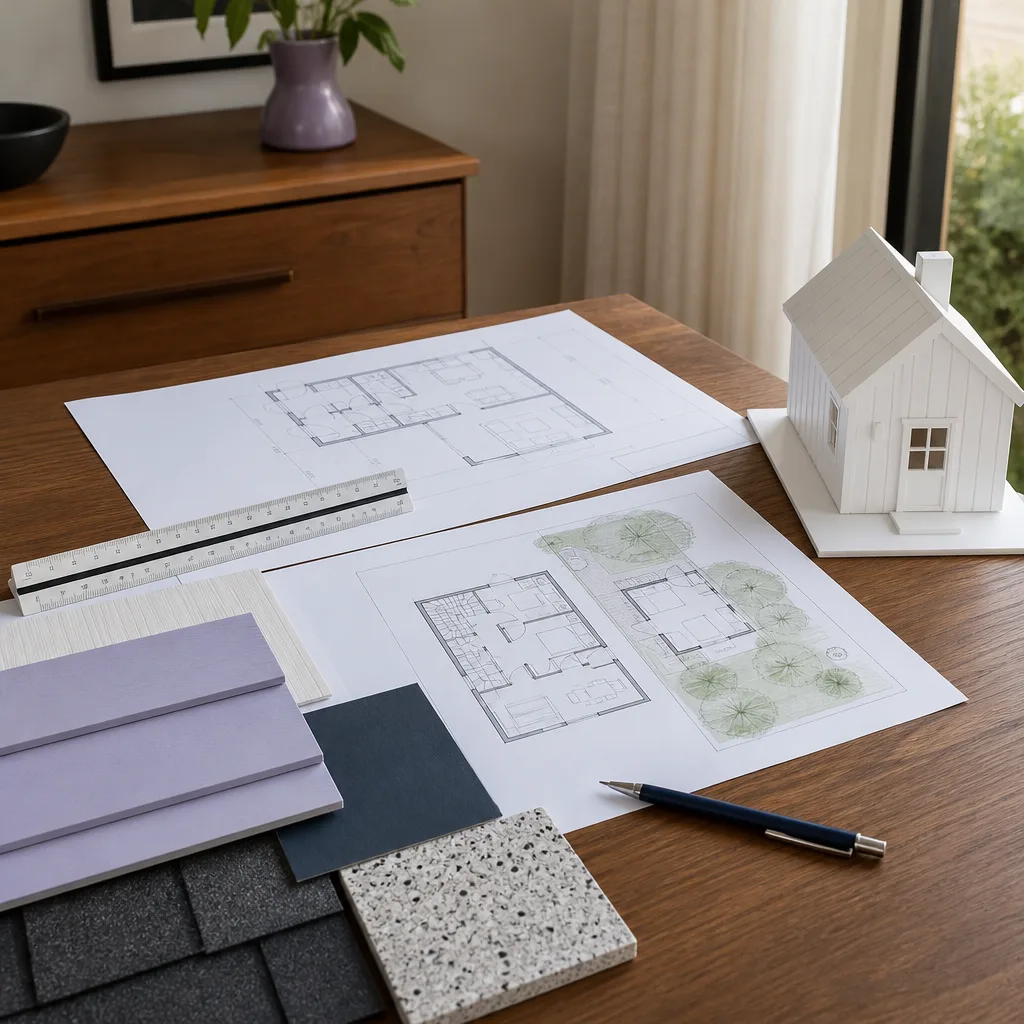
Here’s the honest pricing we give Fort Worth homeowners before any contract is signed.
- Attached garage to JADU: $68,000 to $92,000. Includes foundation upgrade, MEP rough-in, insulation, drywall, kitchenette, full bath, and finish work.
- Prefab shell finish-out (already permitted and on a slab): $54,000 to $78,000. Includes interior framing, electrical service tie-in, plumbing, HVAC mini-split, drywall, flooring, trim, and paint.
- Major structural repair at tie-in (existing conversion gone bad): $12,000 to $35,000. Includes removing failed framing, re-flashing and re-sealing the Plant Prefab panel connection, drywall repair, and repainting.
- Electrical service upgrade (if the panel can’t carry the ADU load): $3,500 to $8,000. Includes new subpanel or service upgrade, load calculation, and city inspection.
Every line item gets written down before work starts. That’s the only way we do business in Fort Worth. The price you sign is the price you pay, and each project carries our 365-Day Done Right Promise: if the work isn’t right within a full year, we make it right at no charge.
DIY or Call Us?
There are a few things an owner can safely check on their own. You can inspect for visible water stains at the tie-in seam, test every outlet with a plug-in tester, and watch for sticking doors as the seasons change. You can also check whether the mini-split’s filter is clean and the condensate drain is clear.
What you shouldn’t do is touch the electrical panel, cut into any wall that carries Plant Prefab panel hardware, or attempt to re-flash the roof seam yourself. The panel clips and anchor plates are under load, and the electrical work involves live service feeds. If you get either wrong, you’re looking at a far more expensive repair than the original problem. If the panel is scorched, the service is undersized, or the tie-in seam is leaking, call us at (682) 204-9686 and we’ll do a site assessment for free. We’ll tell you what’s actually wrong, what it costs, and whether a repair makes sense or a full redo is the only honest answer.
FAQs
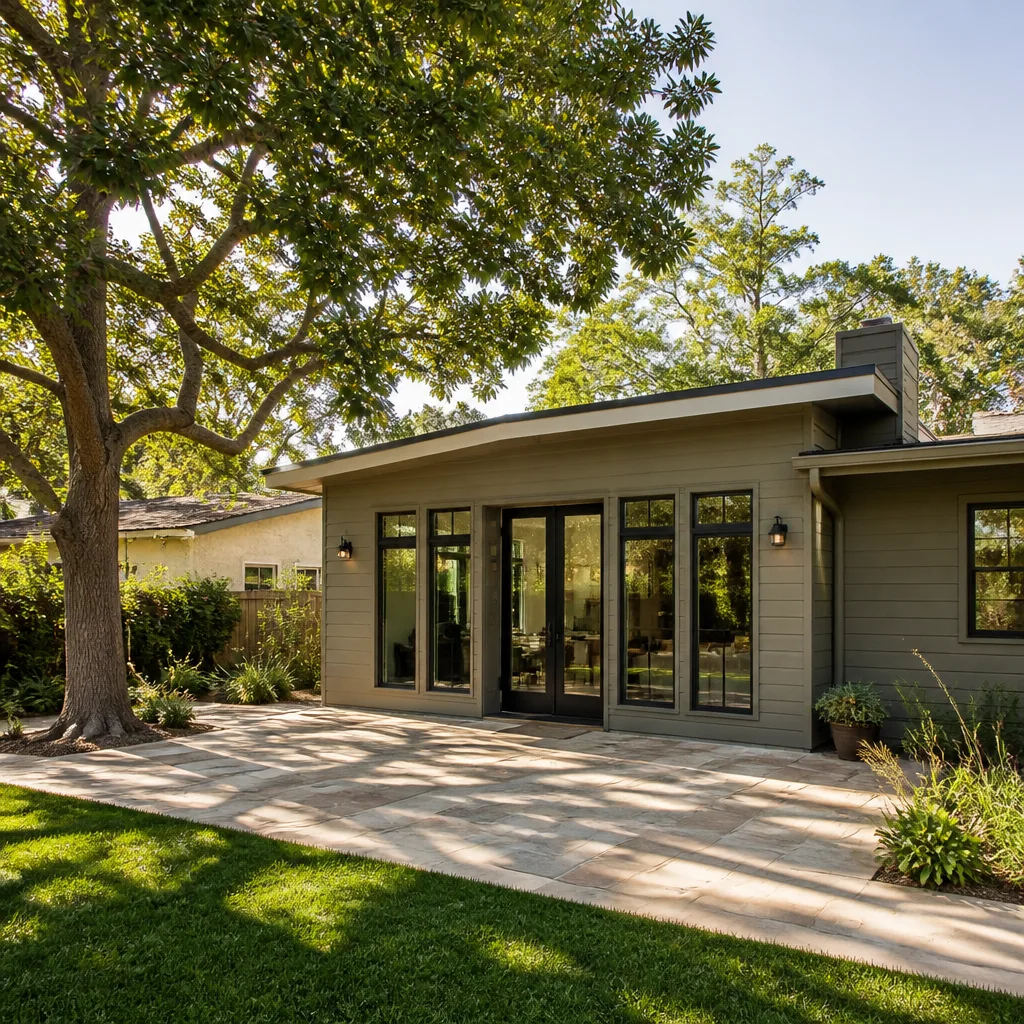
A properly tied-in conversion should last 40 to 50 years before major structural work, but Fort Worth humidity and expansive clay soils mean the tie-in flashing and foundation need attention around year 15. The parts that fail first are always the sealant at the panel seam, followed by any improperly flashed window or door opening. Call (682) 204-9686 for a free assessment and we’ll tell you exactly where your conversion sits on that timeline.
Yes, and in most cases we recommend repair over demo. If the framing is sound, the tie-in seal can be re-flashed, the electrical service can be upgraded, and the drywall can be patched. We only recommend a full rebuild when the panel edge itself has rotted or the foundation has moved beyond what shimming can fix. Get a written line-item quote before you decide; we’ll show you both options with real numbers.
A full garage-to-JADU conversion runs 8 to 12 weeks from permit to final inspection. A tie-in repair or electrical upgrade is usually a 3 to 5 day job. The biggest variable in Fort Worth is city permit turnaround, and we handle every bit of that paperwork for you. Call (682) 204-9686 and we’ll walk you through the timeline for your specific project.
Yes. We keep OEM clips, anchor plates, panel-to-panel fasteners, and flashing profiles in our Fort Worth yard, along with aftermarket equivalents that match Plant Prefab’s engineering spec. We also work with the other major prefab brands, including Abodu, Cover, and Dvele, so if your project has mixed-brand components we’ll have the right hardware on the truck. If a part isn’t on the shelf, we’ll source it and show you the spec sheet before installation.
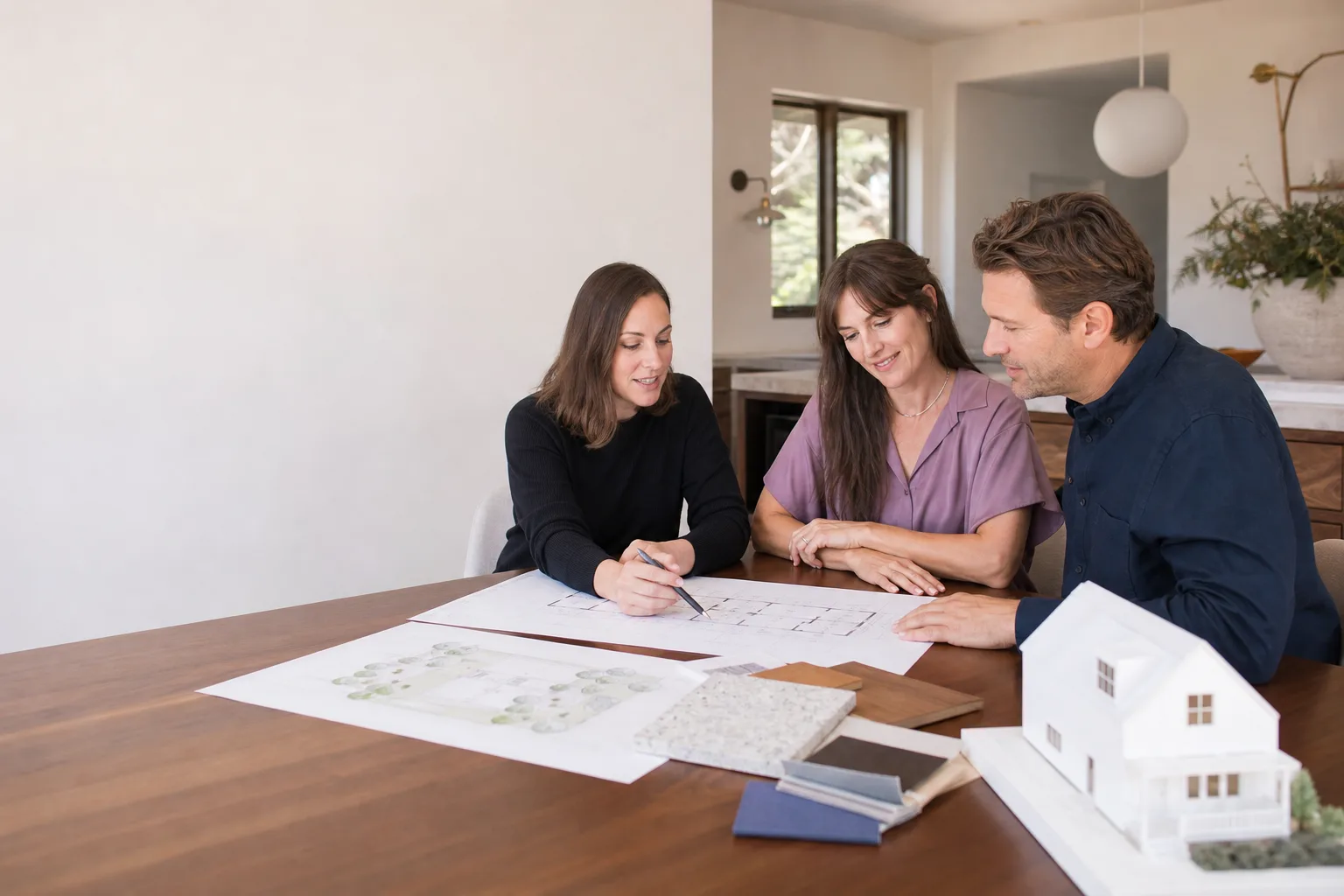
If you own a Plant Prefab unit in Fort Worth and the junior ADU conversion is showing signs of failure, or you’re ready to start one from scratch, call us at (682) 204-9686. We’ll put the full plan and the full price in writing before any work begins. If it’s not in writing, it’s not a promise, it’s just a conversation. As Troy Eastman puts it, a good conversion is built on a good number, and that number should never change once the first board goes up.
Written by Troy Eastman, Owner & Lead Builder, Benson ADU Fort Worth at Benson ADU Fort Worth, serving Fort Worth and nearby areas.